If you own a Bentley, it is natural to ask how often should a Bentley be serviced? Regular servicing is one of the best ways to maintain the car, protect its condition, and support long-term reliability. It also helps you find small issues before they turn into expensive repairs.
While the exact schedule can vary by model, age, and driving habits, most Bentley vehicles should be checked at least every 12 months, with extra attention paid to mileage-based intervals.
What Is Bentley Maintenance?
Bentley maintenance is the full programme of servicing, inspections, fluid changes, and replacement parts needed to keep your vehicle in the best possible condition. A Bentley is built to a very high standard, but that does not remove the need for regular care. In fact, because these vehicles are engineered with such precision, proper servicing is even more important.
A typical Bentley service includes checks on engine oil, the oil filter, brake fluid, power steering fluid, coolant, brakes, tyres, suspension, filters, electronics, and other moving parts. A technician will also check for leaks, signs of damage, and uneven wear. The aim is to ensure the car remains safe, refined, and enjoyable to drive, while also helping to protect its warranty and resale price.
How Often Should A Bentley Be Serviced?
In most cases, a Bentley should be serviced every 10,000 miles or every 12 months, whichever comes first. This is a widely advised Bentley service interval and suits many models, including the Bentley Continental and Bentley Continental GT.
Some owners also choose to arrange an inspection sooner, especially if the car is driven hard, used for short trips, or has been standing for long periods.
For lower-mileage vehicles, time matters just as much as mileage. Even if you do not reach every 10,000 miles in a year, fluids can still age, seals can dry out, and internal parts can suffer if the car is not checked. That is why annual servicing is usually the safest way to keep your Bentley in strong operating condition.
Older vehicles may need more frequent attention. As a Bentley gains age, parts such as seals, hoses, brake pads, wheel bearings, and suspension components can begin to wear more quickly. In these cases, a specialist may advise extra inspections between routine servicing visits.

Why Annual Servicing Still Matters For Low-Mileage Cars
Many Bentley owners cover very few miles each year. This can create the impression that servicing can be delayed, but that is not always a good idea. A car that sits unused for long periods can still develop issues. Oil can degrade over time, brake fluid can absorb moisture, batteries can weaken, and tyres can develop flat spots or age-related cracks.
The interior also benefits from regular checks, especially in luxury vehicles where leather, trim, climate systems, and electronic features all need care. Annual servicing helps ensure your Bentley remains in excellent condition inside and out, even when it is not driven often.
What Is Usually Included In A Bentley Service?
A proper Bentley service will cover much more than a simple oil change. It usually starts with replacing the engine oil and oil filter, then moves on to checking the main fluids, including coolant, brake fluid, and power steering fluid. The technician will also inspect the brakes, brake pads, tyres, steering, suspension, battery, and lights.
Air intake and cabin components are also important. The air filter and pollen filter may be checked or replaced depending on mileage and condition. Spark plugs are another key item, particularly on high-performance models such as the Continental GT. If these parts are left too long, performance, fuel use, and smooth operation can all suffer.
A full inspection should also check for fluid leaks, underbody damage, corrosion, tyre wear, and the general condition of belts, hoses, and seals. These checks help maintain quality and reduce the risk of unexpected faults.
Bentley Service Schedule Intervals According To Mileage
Mileage-based servicing is still important, especially for owners who use their Bentley regularly. Many service schedules follow a repeating pattern, with larger inspections taking place as mileage increases. These intervals often include every 10,000 miles, with more detailed servicing at higher points depending on the model and year.
At lower intervals, the focus is often on engine oil, the oil filter, fluids, tyre condition, brakes, and general safety checks. At larger intervals, extra work may include replacing the air filter, pollen filter, and spark plugs, along with checking the cooling system, transmission, suspension, and underbody. Brake pads, wheel bearings, and steering parts may also need closer inspection as mileage rises.
Because schedules can vary, it is always wise to check the handbook or contact a Bentley specialist who can confirm the correct servicing plan for your exact vehicle.
Model Differences Matter
Not every Bentley follows exactly the same service pattern. The Bentley Continental GT, Bentley Continental, Flying Spur, Bentayga, and older Arnage or Mulsanne models can all have different needs. Engine type, year of production, and the way the vehicle has been used will all affect the final service plan.
For example, a Bentley Continental GT with higher mileage may need more attention to brakes, spark plugs, filters, and transmission servicing than a rarely driven newer model.
Vehicles that have been stored for long periods may also need extra checks for leaks, tyre age, battery health, and fluid condition before returning to regular use.

Important Maintenance Items That Are Often Overlooked
One area that is sometimes missed is brake fluid. Even if mileage is low, brake fluid should usually be replaced every two years because it absorbs moisture over time. This can affect braking performance and, if ignored, may lead to damage in the braking system.
Tyres also need more than a quick look. It is important to check condition, tread depth, pressure, and age. A tyre can appear fine on the surface but still be unsafe because of hidden wear or age-related cracking. On a heavy, powerful car such as a Bentley, tyre condition has a direct effect on comfort, grip, and safety.
Filters are another important point. A blocked air filter can reduce engine efficiency, while an old pollen filter can affect cabin air quality. These parts are relatively small compared with the value of the vehicle, but replacing them at the right time helps keep your Bentley performing as it should.
Why Oil Changes Are So Important
Engine oil plays a vital part in lubrication, cooling, and protecting internal engine parts from wear. In a high-performance luxury car, clean oil is essential. Delaying an oil change can lead to poor running, extra wear, and long-term engine damage.
That is why many specialists advise changing the engine oil and oil filter every 10,000 miles or every 12 months. For some older vehicles, or cars driven in demanding conditions, earlier oil servicing may be sensible. Keeping fresh oil in the engine is one of the simplest ways to support longevity and smooth operation.
Signs Your Bentley May Need Servicing Sooner
Even if your car has not yet reached its next service date, there are warning signs that should not be ignored. Unusual noises, reduced braking performance, warning lights, vibration through the steering wheel, poor starting, fluid leaks, or changes in ride quality can all mean the vehicle needs attention.
A drop in fuel economy, rough idling, or weak air conditioning may also point to maintenance needs. In some cases, the issue may be minor. In others, quick action can prevent major damage and reduce the final repair price. If you notice anything unusual, it is best to book your Bentley in for a check as soon as possible.
How To Keep Your Bentley In The Best Condition Between Services
Routine servicing is only part of the picture. To keep your Bentley in strong condition between visits, it helps to check oil level, tyre pressure, and visible fluid levels on a regular basis. You should also pay attention to any leaks under the vehicle, changes in braking feel, or signs of uneven tyre wear.
Keeping the exterior clean and protecting the interior also matters. Dirt, road salt, and moisture can affect paint, trim, and underbody parts over time. Good storage, careful washing, and regular use all support the long-term care of the car. A Bentley that is driven and maintained properly will often age far better than one that is left standing for long periods without checks.
Specialist Servicing vs General Garages
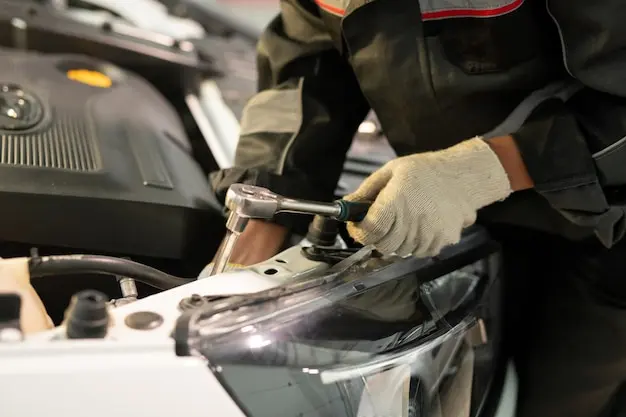
A Bentley should ideally be maintained by technicians with experience of the brand. Bentley vehicles use specialist systems, high-quality parts, and model-specific procedures that general garages may not always know in detail. Using the right specialist helps ensure correct servicing, proper diagnostics, and suitable replacement parts.
This can also be important for service records, warranty support, and protecting future value. Buyers often like to see that a vehicle has been maintained by a recognised Bentley service centre or experienced independent specialist. A complete history can make it easier to sell the car and may support a stronger resale price.
Does Servicing Help Protect Value?
Yes, regular servicing can play a big part in protecting the value of a Bentley. A full service history shows that the vehicle has been looked after and that key maintenance items have been completed on time. This gives confidence to future buyers and can help support a better price when the car is sold.
Missed servicing, poor-quality repairs, or gaps in records can reduce confidence and make it harder to find the right buyer. For luxury vehicles, history matters just as much as mileage. Good care today can make a clear difference years later.
When To Book Your Bentley Service
The best approach is to book your Bentley as soon as it nears 12 months since its last service, or when it approaches every 10,000 miles. Do not wait for a problem to appear. Preventative servicing helps maintain reliability, quality, and safety, while also reducing the chance of larger repair bills.
If you are unsure about the right interval for your model, check your handbook or contact a Bentley specialist for advice. They can review the age, mileage, and condition of your vehicle and recommend the right plan to maintain it properly.
Bentley Servicing
So, how often should a Bentley be serviced? For most vehicles, the answer is every 10,000 miles or every 12 months, whichever comes first. That said, age, driving style, storage conditions, and model type can all affect what your car needs. The most important thing is to ensure your Bentley receives regular, high-quality servicing from a specialist who understands the brand.
With the right care, proper fluids, timely oil changes, filter replacement, and regular checks for leaks, wear, brakes, and overall condition, you can keep your Bentley performing at its best for many years. Book your Bentley on time, use the correct parts, and give it the attention it deserves to support comfort, safety, and longevity.
Are you looking for Bentley be servicing in Sittingbourne and Kent? Our independent Bentley specialist offers repairs, diagnostics and repairs.